What Is the Best Gravel Size for a Driveway?
By Elite Paving & Roofing Ltd, run by director Jerry Connors
The short answer: For almost every residential driveway, 20mm angular crushed stone (such as crushed granite, limestone, or angular flint shingle) is the best choice. It is heavy enough to stay put when you turn the steering wheel, locks together under load, and is too large to wedge tightly inside standard car tyre treads.
If you want a slightly neater finish that is easier under bare feet, pushchairs, or wheelchairs, 14mm angular gravel works well—provided you lay it at the right depth over a compacted sub-base. Avoid 10mm pea shingle on car drives: it gets stuck in tyres, flicks onto paths, and ruts quickly.
Local Know-How for Canterbury & Kent
- The Planning Portal and gov.uk guidance name gravel as a permeable (porous) surfacing. A new or replacement front-garden driveway of any size that uses gravel which allows water to drain through does not need planning permission for that reason. Source: Planning Portal, gov.uk guidance.
Related: Gravel driveways · Our work in Canterbury
14mm vs 20mm Driveway Gravel: Which Should You Pick?
When we price up a gravel drive, homeowners usually ask whether 14mm or 20mm stone is better. Both are proper driveway grades, unlike decorative 10mm garden shingle, so the right pick comes down to how you use the space, the weight of your vehicles, and what feels best underfoot.
10mm Pea Shingle
Rounded, small stones that look tidy in flowerbeds and narrow side paths, but cause headaches under car tyres.
- Lodges easily in tyre treads and drags onto the road
- Pushes aside when turning or braking
- Needs constant raking to hide wheel tracks
14mm Angular Shingle
A smart middle ground for flat drives used by everyday family cars, especially where people walk across the drive regularly.
- Locks together well when angular (crushed)
- Noticeably smoother to walk on than 20mm
- Too large for most standard car tyre grooves
- Works very well inside cellular gravel grids
20mm Angular Stone
Our go-to recommendation for busy residential driveways, larger SUVs, vans, and turning areas.
- Heavier stones resist scattering and displacement
- Clears standard tyre treads instead of wedging in
- Handles dry-steering and heavier vehicles better
- Drains fast even in heavy downpours
What about 40mm stone? Anything above 20mm is usually too coarse and ankle-turning for a domestic front drive. We reserve 40mm clean stone for soakaways, French drains, or temporary site access roads.
Why Stone Shape Matters as Much as Size
Two bags of 20mm gravel can behave completely differently once tipped onto your drive. Smooth, water-worn river cobbles or beach pebbles roll under weight like marbles—no matter how cleanly you rake them, your tyres will always sink in and push ridges up either side.
What you want is angular, crushed aggregate—quarried granite, basalt, limestone, or crushed flint. Because each stone has flat faces and sharp edges, they wedge tight against one another when rolled or driven over. After a few weeks of normal parking, angular stone settles into a firm, crisp surface that still lets rainwater straight through.
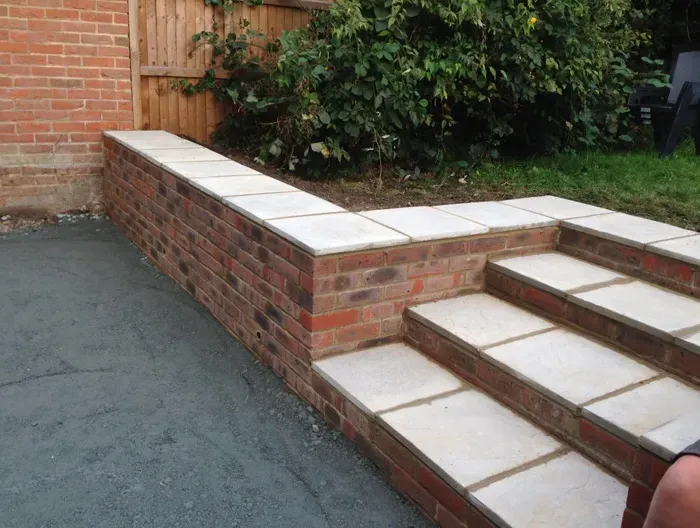
A properly compacted sub-base and solid edging is what stops loose driveway gravel from spreading or rutting.
Depth Control: How Thick Should Driveway Gravel Be?
One of the most common mistakes we fix on site is homeowners tipping way too much stone down, thinking thicker means stronger. In reality, deep loose gravel behaves like soft sand at the beach—your front wheels dig in, spin when pulling away, and leave deep trenches.
Recommended Gravel Depths
- 20mm angular stone: Aim for a finished depth of 40mm to 50mm (about two to two-and-a-half stones thick).
- 14mm angular shingle: Aim for 35mm to 40mm. Any deeper than 50mm and smaller stones will start to bog down car tyres.
Why the Sub-Base Does the Heavy Lifting
Gravel is just the wearing surface—the strength comes from underneath. For cars and light vans, we dig out soft topsoil and lay 100mm to 150mm of MOT Type 1 crushed limestone or granite, compacted in layers with a heavy plate compactor or roller.
Heavy-Duty Weed Membranes: Where They Go and What to Avoid
A decent geotextile membrane does two jobs: it stops weeds punching up from the soil below, and it stops your expensive decorative shingle sinking into the sub-base or mud over winter.
- Always use non-woven geotextile fabric: Look for a heavy-duty non-woven membrane (typically 100gsm or higher for driveways). It feels like tough felt rather than shiny woven plastic. Water passes straight through it without pooling.
- Skip cheap woven plastic sheets: Thin, black criss-cross woven sheets fray as soon as a car twists its wheels over them, clog with silt, and rip easily when you rake the stone.
- Lay it over the compacted sub-base, not on bare dirt: Putting a membrane straight onto mud or grass and tipping gravel on top always ends in ruts. Compact your MOT Type 1 base first, lay the membrane tight with 150mm overlaps, then spread your 14mm or 20mm shingle on top.
Keep in mind that no membrane stops airborne weeds. Seeds blown in from hedges or carried on muddy tyres will germinate in dust sitting on top of the stones, so an occasional spot-spray or pull by hand keeps the surface spotless.
Cellular Gravel Grids on Slopes & Turning Circles
If your drive slopes towards the road or your garage—even a modest incline steeper than around 1 in 12—loose gravel will gradually wash and creep downhill under braking and heavy rain. The same happens right at the bottom of a drive where you turn sharply onto the street.
The cleanest fix is a honeycomb cellular gravel grid (interlocking recycled plastic mats, usually 30mm to 40mm deep, laid flat on a thin blinding layer of sharp sand or 2–6mm grit over the Type 1 base and membrane). Once filled and lightly over-dressed by 5mm–10mm with 14mm angular shingle (or smaller 10–14mm crushed stone depending on the cell width), the grid locks every stone in place.
Grids also make pushing wheelie bins, bikes, and wheelchairs effortless, and because the whole build remains porous, it qualifies as a permeable SuDS surface under the GOV.UK permeable surfacing guidance without needing extra drainage channels on most front gardens.
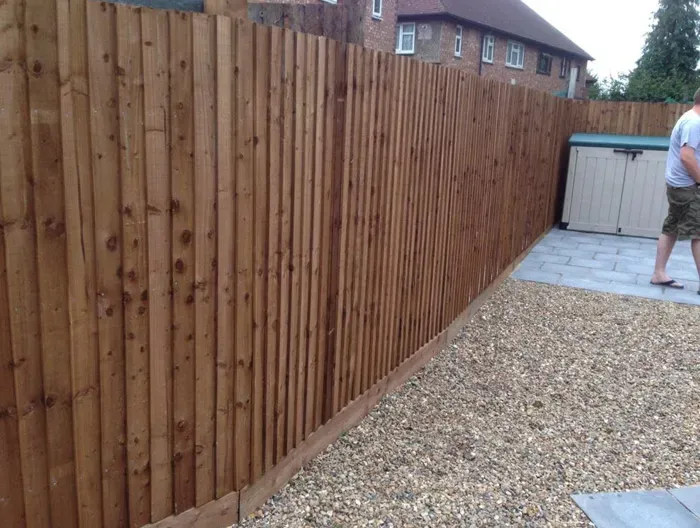
Clean timber or kerb edging keeps gravel neatly contained away from fences, lawns, and footpaths.
Simple Top-Up vs Full Replacement: How to Tell What You Need
Not every scruffy shingle drive needs digging up from scratch. When we inspect an existing drive around Canterbury and East Kent, here is how we judge whether a quick refresh will do or whether the base has failed:
When a Top-Up Is Enough
- The ground underneath feels solid with no spongy or waterlogged spots.
- Ruts are shallow (under 25mm) and mostly caused by old gravel thinning out over the years.
- Your kerb or edging is still firm and keeping stones off the pavement.
- Fix: Scrape off weeds and moss, re-level the existing stone, and top up with 20mm–25mm of fresh 14mm or 20mm angular shingle.
When You Need a Full Dig-Out
- Mud or clay is pumping up between the stones after rain.
- Deep wheel troughs keep returning days after you rake them flat.
- Tree roots have lifted the drive, or the old plastic sheet is shredded and poking through.
- Fix: Excavate 150mm–200mm, install solid edging kerbs, compact MOT Type 1 sub-base, lay non-woven geotextile, and finish with fresh angular stone.
What Drives the Cost & What Happens on Site
On a full installation, the main cost drivers are excavation depth and muck-away skips (or grab lorry loads), how much MOT Type 1 is needed, the type of border restraint (block paving kerbs, granite setts, or treated sleepers), whether cellular grids are fitted for a slope, and your choice of stone—local Kent flint shingle is usually the most economical, while imported granite or Cotswold chippings cost more per tonne.
On a typical two-car front drive, full preparation and laying takes around two to three days from dig-out to final rake and tidy-up. If you want an honest assessment of your current base or are planning a new layout from scratch, take a look at our gravel driveway installation service to see how we build drives to stay level and drain properly.
Need Advice on Stone Size or a Quote for Your Drive?
We carry sample bags of 14mm and 20mm angular stone when we visit, so you can see the colour and texture against your brickwork before deciding. Call Elite Paving and Roofing LTD for a straightforward, no-obligation quote.
Related Services & Guides
← Back to all guidesGravel Driveways Canterbury
Elite Paving and Roofing LTD offers durable, classic gravel driveways in Canterbury & Kent. Beautiful, affordable, SuDS-compliant shingle drives. Free quote today!
Do I Need Planning Permission for a Driveway?
Check if a new driveway in Canterbury or Kent needs planning permission: the five-square-metre rule, permeable surfaces and KCC dropped kerbs.
How Much Does a New Patio Cost?
Get realistic per-square-metre patio costs. Learn how excavation, sub-base depth, drainage and waste removal drive prices so you can compare quotes.
How Long Does Garden Landscaping Take?
Realistic timescales for garden landscaping in Kent, and how access, clay soil, wet weather and a KCC skip licence affect the start date.
Do You Need Scaffolding for Roof Work?
Find out when roof work requires scaffolding rather than ladders, how long it stays up, and when you need a Kent pavement licence.
Block Paving Patterns: Which Is Strongest?
Compare herringbone, stretcher bond and basket weave for driveways in Canterbury and Kent, and how edges and a compacted base stop wheel rutting.
Resin-Bound vs Resin-Bonded: What's Different?
Compare permeable resin-bound and non-porous resin-bonded driveways, and what the front-garden five-square-metre drainage rule means in Kent.
How Long Does a Tarmac Driveway Last?
How long a tarmac driveway lasts, what makes edges crumble, and when a front-garden tarmac drive in Kent needs planning permission.
Is Porcelain Paving Slippery When Wet?
Why outdoor R11 porcelain keeps its grip in the rain, unlike indoor tiles, and how a full mortar bed keeps slabs secure.
Should You Seal an Indian Sandstone Patio?
Whether to seal an Indian sandstone patio against lichen, stains and frost, when to wait after laying, and matte versus colour-enhancing sealers.
Why Do Patio Slabs Come Loose?
Why patio slabs rock or sink (spot-bedding, frost heave and failed pointing), and how re-bedding and repointing fix it.
Does Artificial Grass Drain Properly in Rain?
Learn how perforated backing, granite dust, and a Type 1 sub-base drain heavy rain on Kent clay, plus how to keep pet lawns puddle- and odour-free.
Wooden vs Concrete Fence Posts: Which Lasts?
Timber versus concrete fence posts for rot and wind, and the Planning Portal 1-metre / 2-metre height rules for fences in England.
Signs Your Chimney Needs Repointing or Flashing
Signs of chimney trouble (lifted lead, cracked flaunching, loft damp), and when chimney work in a Canterbury conservation area needs permission.
Can Pressure Washing Damage Paving or Stone?
How high-pressure jet washing can pit sandstone and strip pointing, and safer rotary cleaning and re-sanding methods.
How Soon Can You Walk on and Mow New Turf?
How soon you can walk on and mow new turf, how to check it has rooted, and watering and first-cut tips.
Can You Fix a Leaking Roof From Inside the Loft?
Why internal sealants and spray foam can trap moisture in a loft, and when a roof repair in Kent needs Building Regulations approval.
Can You Put a New Flat Roof Over Old Felt?
When to overlay or strip an old felt flat roof, the risks of trapped damp, and the Planning Portal 25% envelope and 50% roof rule.
Why Is Rainwater Dripping Behind My Gutters?
Why rainwater drips behind apparently clear gutters (perished eaves felt, missing trays and sagging brackets), and how to put it right.
Do Gutter Guards and Hedgehogs Actually Work?
Whether mesh gutter guards and brush hedgehogs actually help with leaves, moss and roof grit, and when hand clearing is better.